 J-FOMO
Exhibition 'Open, the Story Says, Come and Access'
企画展「開かれ アクセスせよと物語は言う」
 1 / 6
Exhibition 'Open, the Story Says, Come and Access'
企画展「開かれ アクセスせよと物語は言う」
- When
- Oct 24, 2026 - Mar 23, 2027JST
- Cost
- Not announced
- Type
- Exhibition
- Source
- prtimes.jpfirst seen 2026-10-05 · last checked 2026-10-05
What it is
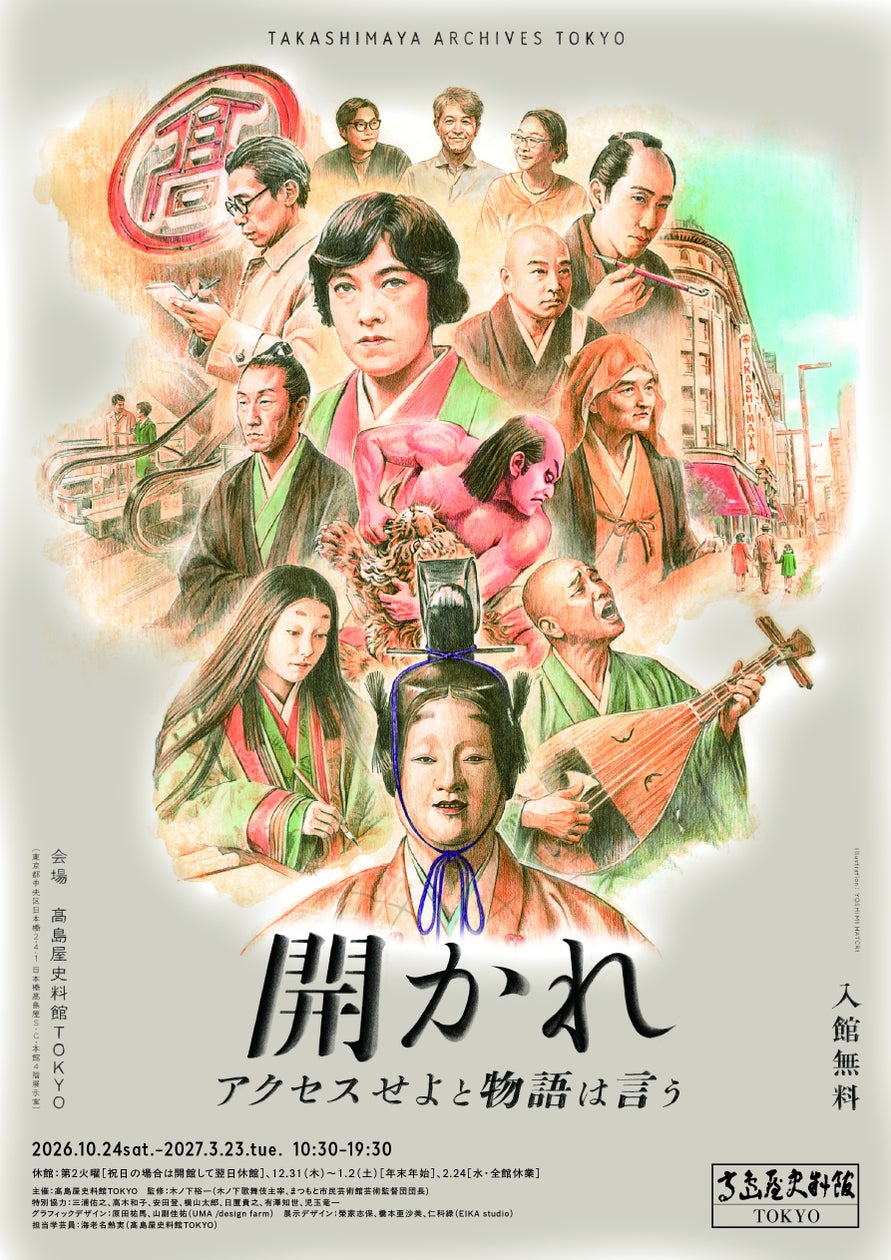
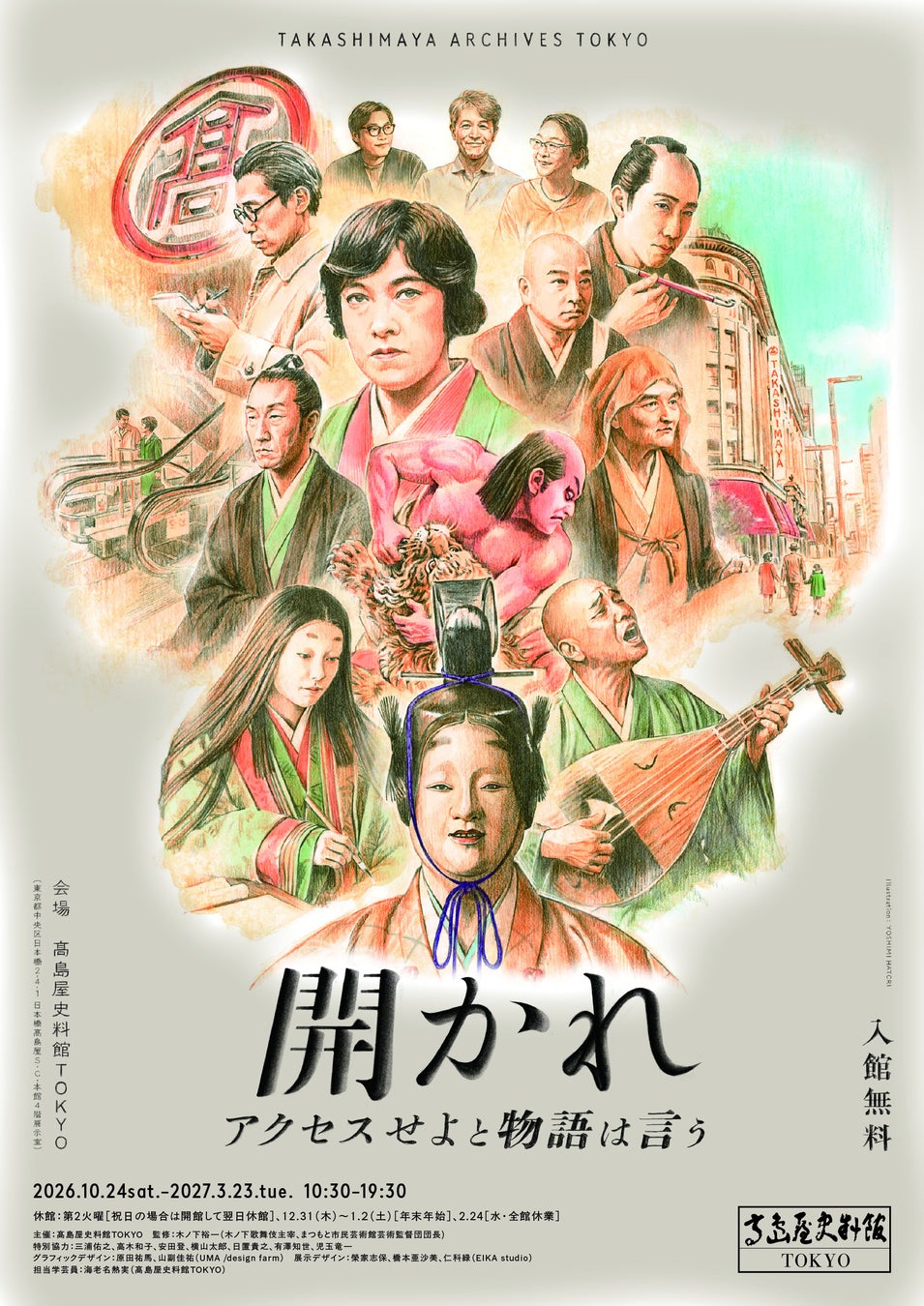
Takashimaya Historical Museum TOKYO presents the exhibition 'Open Up, The Story Says To Access.' The exhibition will run from October 24, 2026 (Saturday) to March 23, 2027 (Tuesday). The museum is closed on the second Tuesday of each month (if a holiday, the museum will be open the next day), during the year-end and New Year holidays (December 31, 2026 (Thursday) to January 2, 2027 (Saturday)), and on February 24, 2027 (Wednesday). The museum is open from 10:30 AM to 7:30 PM. Admission is free. Organized by Takashimaya Historical Museum TOKYO, the exhibition is curated by Hirokazu Konomura (Head of the Matsuyama City Art Museum Artistic Supervisory Group).
Read more
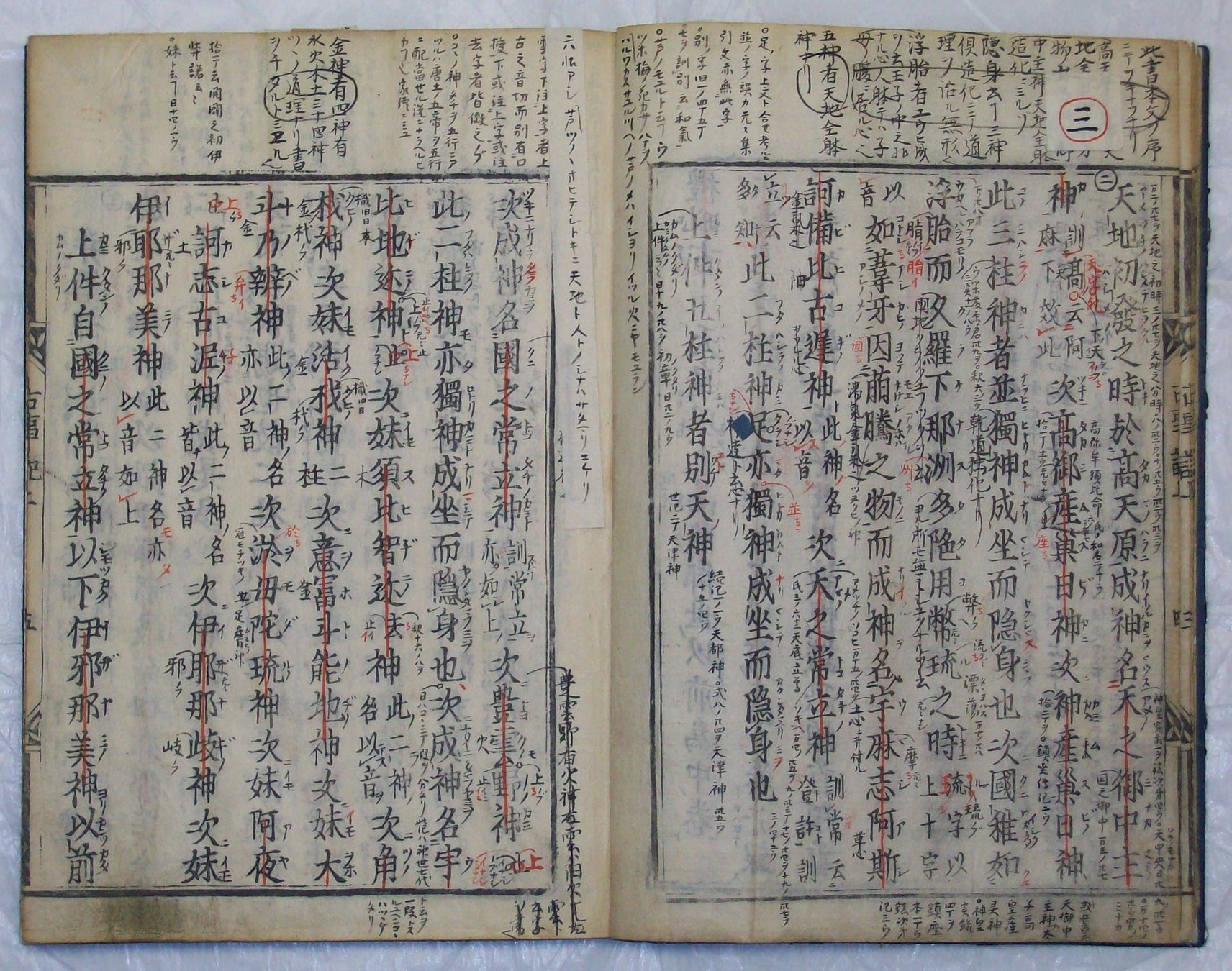
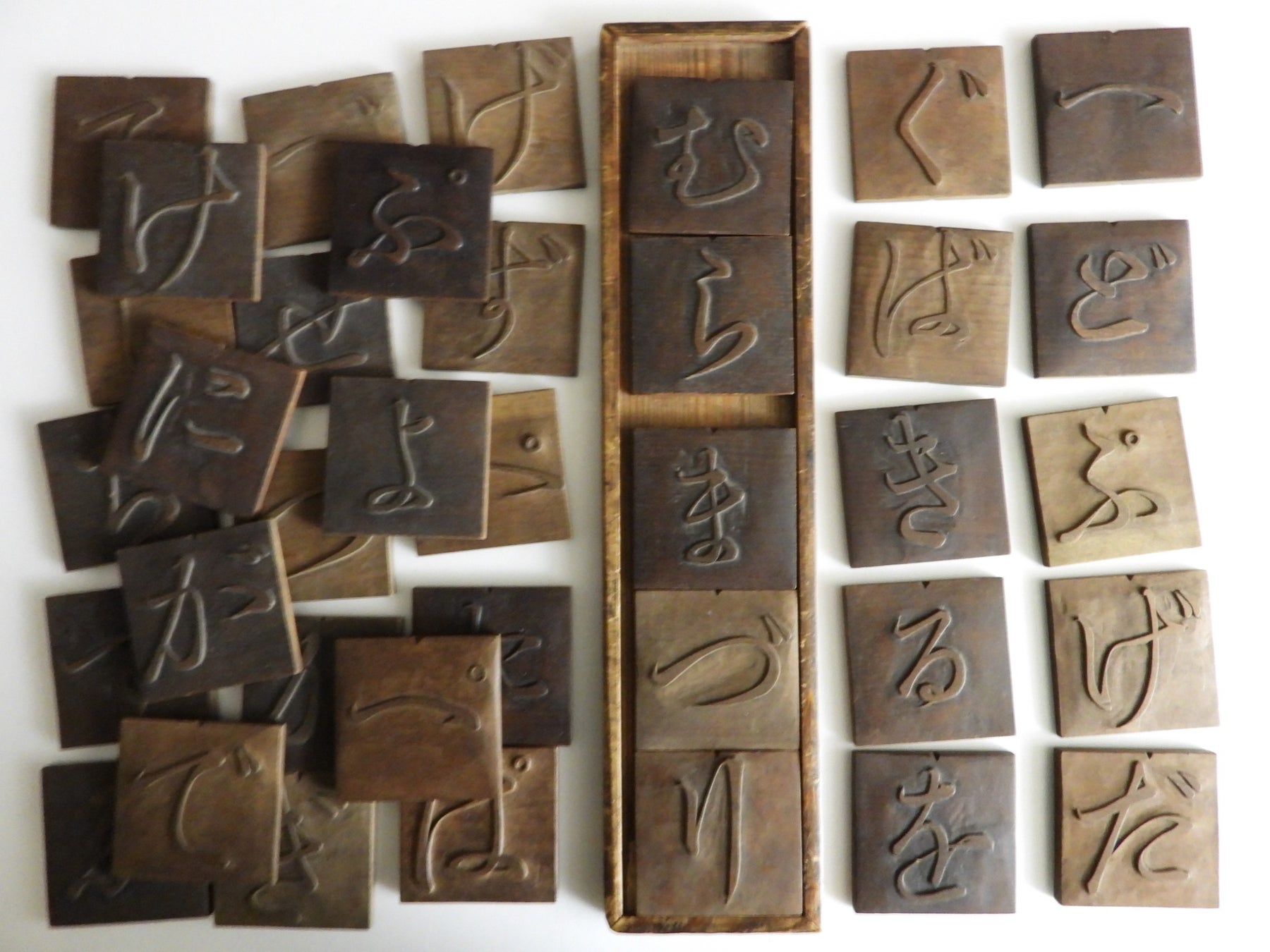
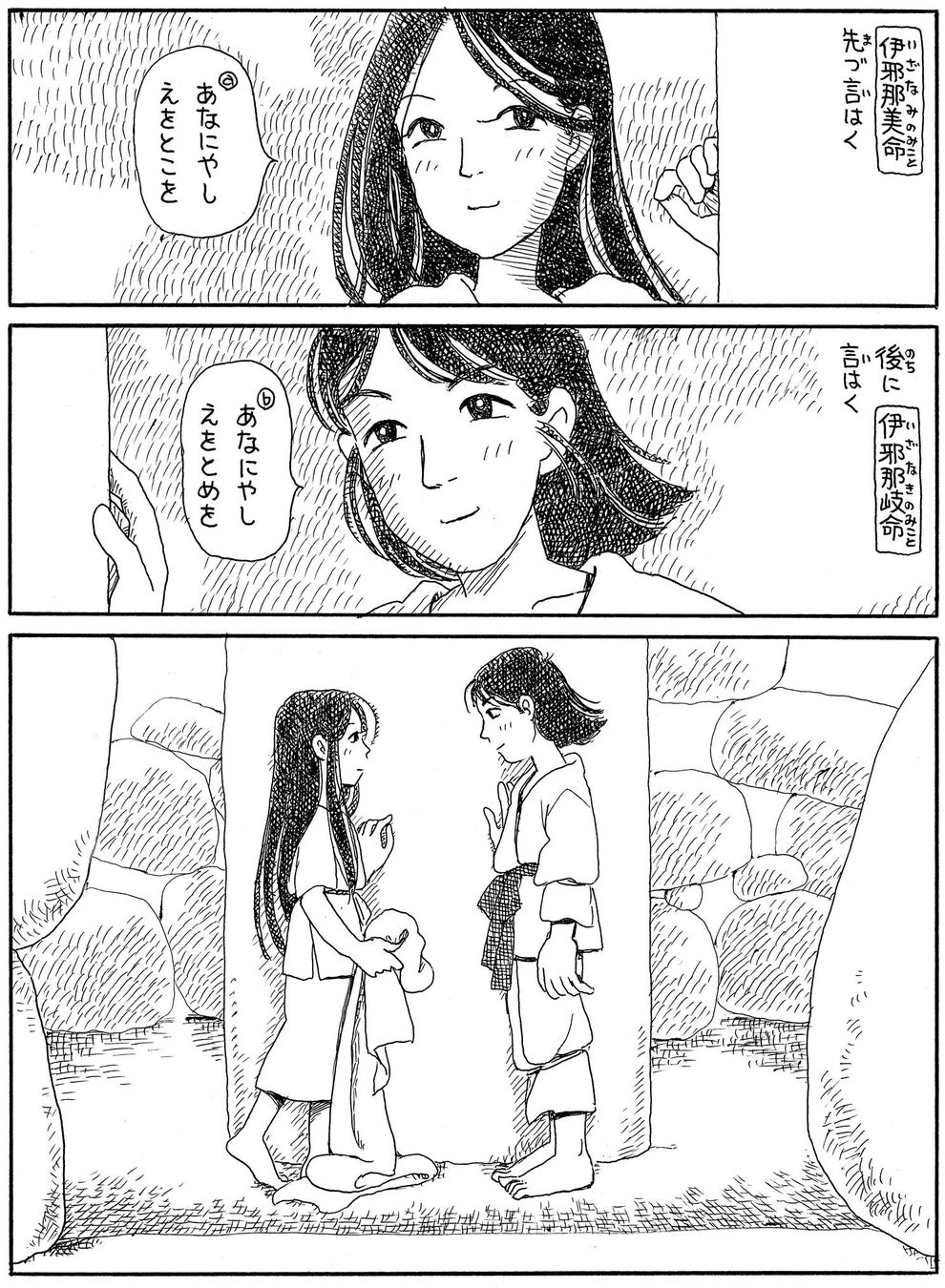
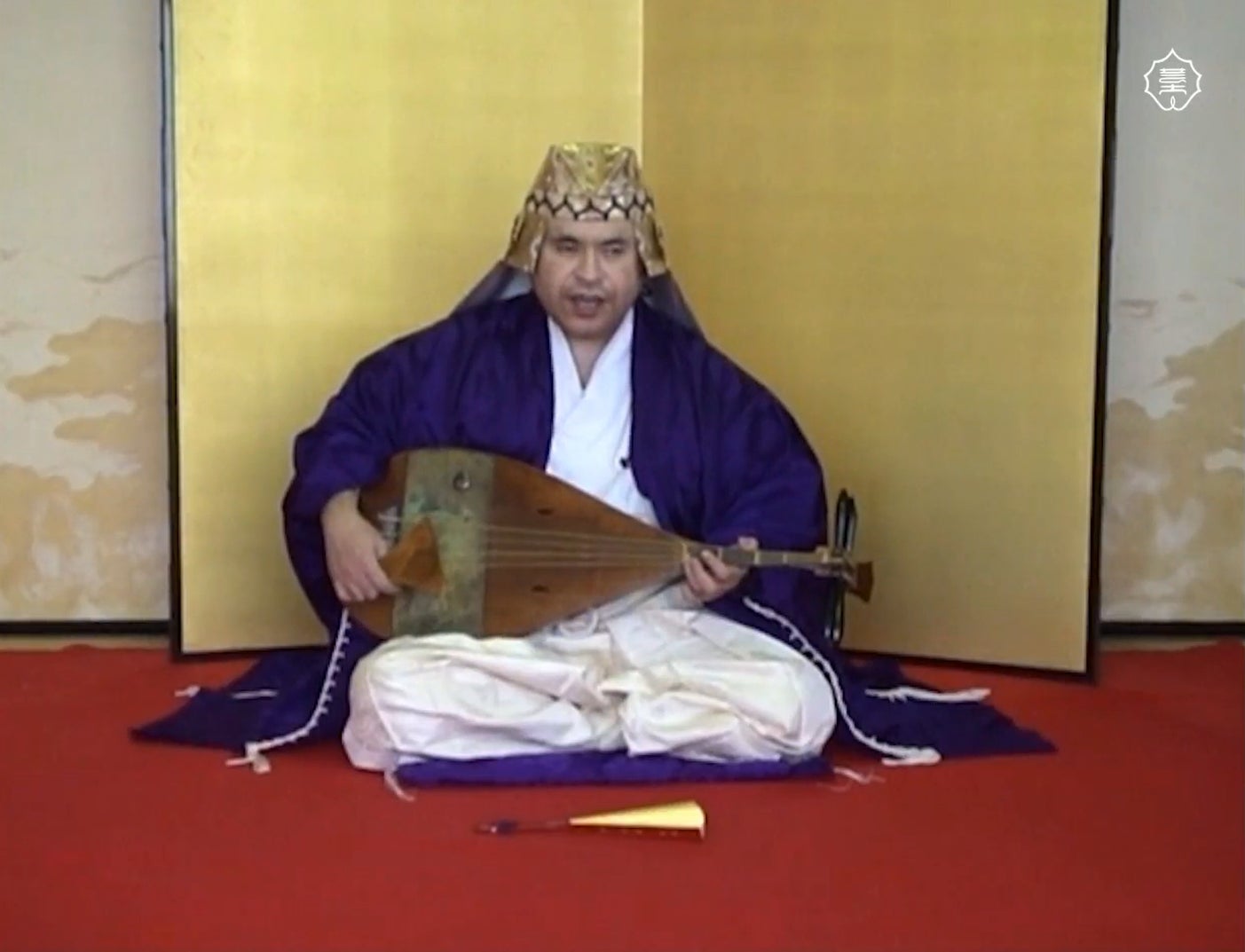
Special support is provided by Yuki Miura, Kazuko Takagi, Taku Yasuda, Taro Yokoyama, Takayuki Higashi, Chise Ariyama, and Ryuichi Kodama. Graphic design by Yuuma Hara and Kaho Yamasato (UMA/design farm). Exhibition design by Shino Higashiyama, Asami Hashimoto, and Midori Naka (EIKA studio). Exhibition curator: Atsomi Ebana (Takashimaya Historical Museum TOKYO). Why do classics not seem outdated? Stories created hundreds or even thousands of years ago are still read, performed, and passed on in different forms. Can we simply say that they have survived because they are excellent works? Most of what is called 'classic' today was not originally accessible to many people. There were various boundaries between those who could enjoy literature and art and those who were separated from it, such as status, gender, age, region, physical condition, and economic situation. How did literature and art become accessible to people across these boundaries? By tracing the history of this accessibility, we can see the trials, efforts, and creativity that have been used to bring these works to people. This exhibition traces the history of the 'accessibility' of classics. From the ancient 'Kojiki' in the first chapter, to the 'Genji Monogatari' in the second chapter, the 'Heike Monogatari' and Noh in the third chapter, and the Edo period Kabuki and red paper books in the fourth chapter. This exhibition shows how the way of opening up culture and art has been restructured many times throughout history. What does it mean to 'open up'? Crossing boundaries does not mean the boundaries disappear. It can create new boundaries. When we call something 'open,' there may still be something 'closed' on the outside. Opening and closing. How have people moved and redefined these boundaries? By re-examining the history of classics, we would like to think about the 'openness' of art in the present and future. Exhibition Contents (partial): - 'Kojiki' (Kan'ei edition) 'Nakahara Manuscript' Volume 1, beginning of the text (reproduction). Provided by the Nakahara Sōshin Memorial Museum. - Woodblock relief characters used at the Kyoto Blind and Deaf Institute (reproduction panel), around 1880. Photography: Hiroshi Kishi. Provided by Kyoto Prefectural School for the Blind and Deaf. - 'Bōru Pen Kojiki' Volume 1, page 32 (reproduction), Heibonsha, 2012, Artwork: Kōno Shidai. - Video 'Heike Monogatari: Nasa no Yūichi' Heike Biwa: Mitsuo Imai, 2007. Provided by the Tokyo University of the Arts Future Creation and Inheritance Center, Masao Koizumi Memorial Collection. - 'Kabuki for Patients' (1928), provided by the National Hansen's Disease Museum. - 'Nihonbashi Nambutsu Shōkei no zu' by Akira Yamaguchi (2021), Photography: Kyoji Miyajima, Collection: Takashimaya Historical Museum, ©YAMAGUCHI Akira, Courtesy of Mizuma Art Gallery. Please note that from November 11, 2026 (Wednesday) to January 8, 2027 (Friday), the exhibition will be displayed with reproduction panels. (Please note that the above exhibition period may be subject to change. Please check the latest information on the website/SNS.) Talk Event Information: During the exhibition period, we plan to hold a talk event. Details will be announced on our museum's website/SNS once they are finalized. Please note that the event details may be changed. Takashimaya Historical Museum TOKYO HP: https://www.takashimaya.co.jp/shiryokan/tokyo/ X: @shiryokantokyo Instagram: @takashimayashiryokantokyo LINE: Takashimaya Historical Museum TOKYO For inquiries: Contact: https://www.takashimaya.co.jp/contact/shiryokantokyo/ TEL: 03-3211-4111 (Nihonbashi Takashimaya Main Store)